

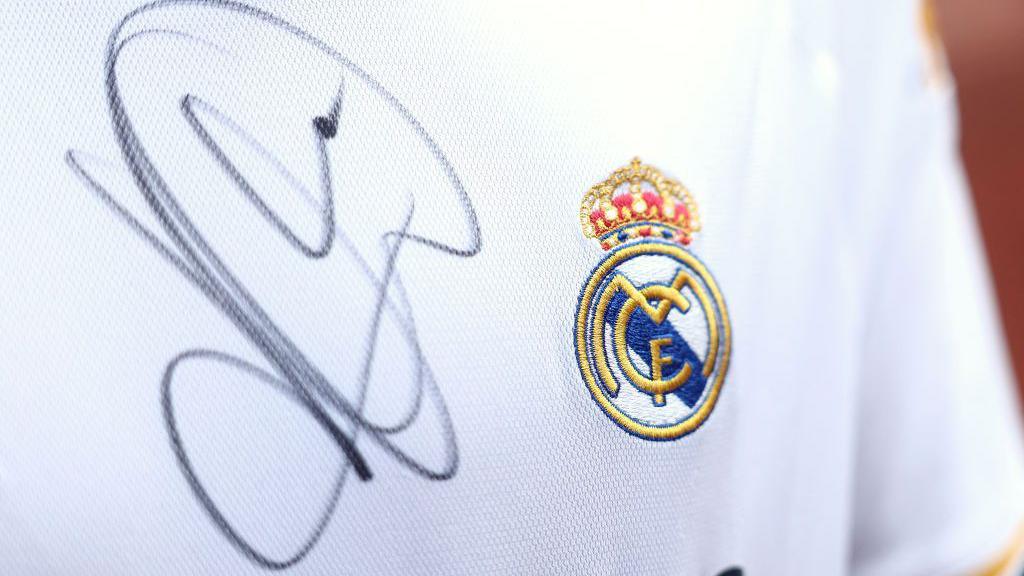
Outside the training ground. At the traffic lights. While filling up at a gas station. Within a hotel's entrance. Outside their family home.
The locations where footballers and managers are confronted for signatures can vary from the ordinary and acceptable to the invasive and inappropriate.
Importantly, there exists a pair of different kinds of autograph seekers. There are the genuine fans looking for a memento to cherish forever, but also commercial dealers building up a collection of items to be sold online.
The hunters making a living from sourcing signatures are often experienced figures who approach players with prepared stacks of jerseys and pictures, with the goal of secure as many signatures as possible in a brief moment.
But what do the players being approached feel, and is a portion of these interactions becoming excessive?
In What Ways Do Signature Seekers Engage With Celebrities?
When a top manager was recorded refusing to autograph a jersey after a individual accosted his car not long ago, he defended himself against a counter-reaction by stating he felt "exposed" and claimed some "fans are not doing it for the proper motives".
In another case, a celebrated manager angrily chastised a cluster of hunters who came up to him in a car park near his home, lambasting their profession and stating, "Do not return - This is my final warning. What are your dreams?"
The sports memorabilia sector is believed to be worth billions of dollars globally annually, highlighting the substantial wealth professional hunters can generate by consistently pursuing celebrities.
Clubs occasionally have to intervene and protect athletes, including prohibiting commercial dealers from conducting business outside training grounds, deploying security staff at nearby gas stations where seekers are aware players stop, and in certain instances helping escort them home.
One prominent midfielder was filmed telling individuals to stop following him to his house after they had engaged in this on back-to-back days.
And earlier this month, a defender was caught on video humorously scrawling unenthusiastic autographs on a set of jerseys handed to him by a seeker who approached him at his car window.
"Athletes become really fed up with it," says a former Premier League winner.
"I've experienced it on many occasions. They stand outside the broadcast studio and ask me autograph twelve identical shirts all at once. I challenged it the other day and said 'you're going to sell these on the internet, correct'?"
"It is incredibly irritating that the purpose is to make money out of athletes. The decision lies with the person to make a split-second decision in the moment."
"Should we decline, then the spurned party will often insult the person who turned them down and publicly shame them online."
"This behavior is unacceptable as authentic autograph hunters must get frustrated with these imposters who are doing it for the wrong reasons."
"These people ruin the experience for kids and true supporters."

What Do Athletes Think About Professional Sellers?
Most athletes are happy to make a fan's day by spending a brief instant with them and providing a signature.
But when regular hunters appear, confrontations can occur, especially if their conduct is perceived as aggressive.
"You get the people who are desperate for your signature but also want to have a short interaction with you and get that connection," notes a ex-national team player. "That is perfectly acceptable, but then you also get the ones that you see all the time."
"Some of them are quite savvy with the way they do it - they have their children approach, or they bring their mates."
"There have been times when confrontations have happened. I remember one where a guy tried having a go with me - he would present you with 20 of the identical item, and you would either refuse to sign the entire stack or your signature would become less enthusiastic as it continued because you were aware he was going to resell them."
In certain cases players can sympathise with the reasoning while not accepting rudeness.
"He would frankly admit he was going to flog them, but from his perspective that would pay for his tickets," the former player continues. "Most fans are truly polite and thankful. They are rarely rude until they don't get what they desire."
Is a Portion of Genuine Fans Becoming Less Respectful?
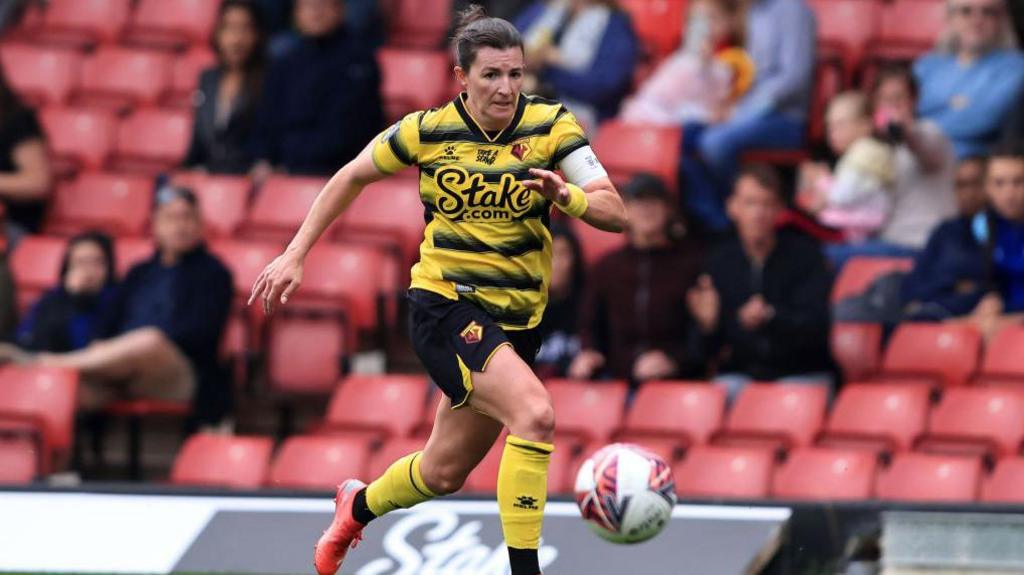
Throughout the growth of the women's game, fans have traditionally had closer access to stars than in the premier league. For the majority of the time, those encounters are amicable, safe, and polite.
But some athletes believe encounters have become progressively less polite and disrespectful in the past few years.
One England international disclosed she was asked to sign by some of the same fans who had earlier jeered her during a match.
"There does seem to have been a shift in the recent period - there feels to me more of a attitude of expectation with some fans now," says a former top-flight player.
"Supporters having greater proximity to players has been a key aspect of the uniqueness of the sport, and when I was competing we always wanted to make time for them," she adds.
"More recently, some people think because they've bought admission they are entitled to the time of the players before or after the game."
"No athlete wants to snub the fans, but there are times and places, and potential security risks need to be taken into account."
"There has to be mutual respect and it should be handled in a controlled, safe manner."
"You have to still have those moments so that young fans don't become disheartened and think 'my heroes are indifferent to me'."
Fans Risk Buying Fakes Online
Items signed by top names and then posted for sale by dealers can sell for many thousands of dollars.
But not all items of signed memorabilia purchased will prove to be legitimate.
In certain instances, online stores are established by fraudsters who forge items by purchasing products before adding a forged autograph - either by completing the task personally or employing the services of skilled signature forgers.
One factor fraudulent dealers can get away with their crimes is because signature authentication is an non-standardized procedure in many countries. Most items come with a proof of genuineness, but that document is only as credible as the company which awards it, and those entities can be entirely unverified.
Several years ago, a man was sentenced to prison after making over a million from peddling fake


